
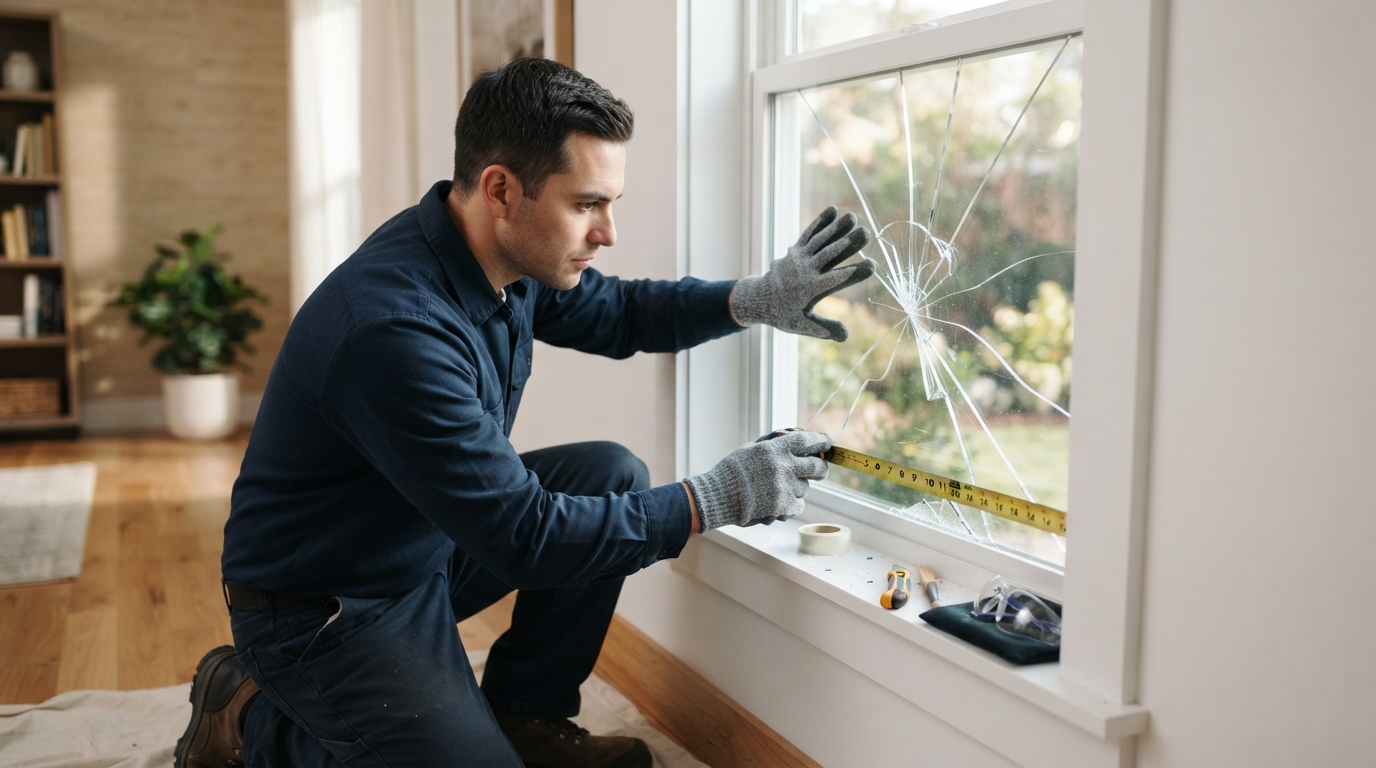
The sound is unmistakable. A sharp crack, a sudden crash, or sometimes just a quiet discovery the next morning. A single-pane window has broken, and now you are standing in front of it trying to figure out what comes next.
Most property owners instinctively focus on the glass. That is understandable. The glass is the visible part of the problem. But the more important question is not just what broke. It is what the break is telling you about the overall condition of that window, and what a qualified glass professional will need to evaluate before any repair begins.
This guide is written for property owners who want to understand their situation clearly before picking up the phone. The better informed you are going in, the more productive that first conversation with a glazier will be.
What a Single-Pane Window Break Actually Means Structurally
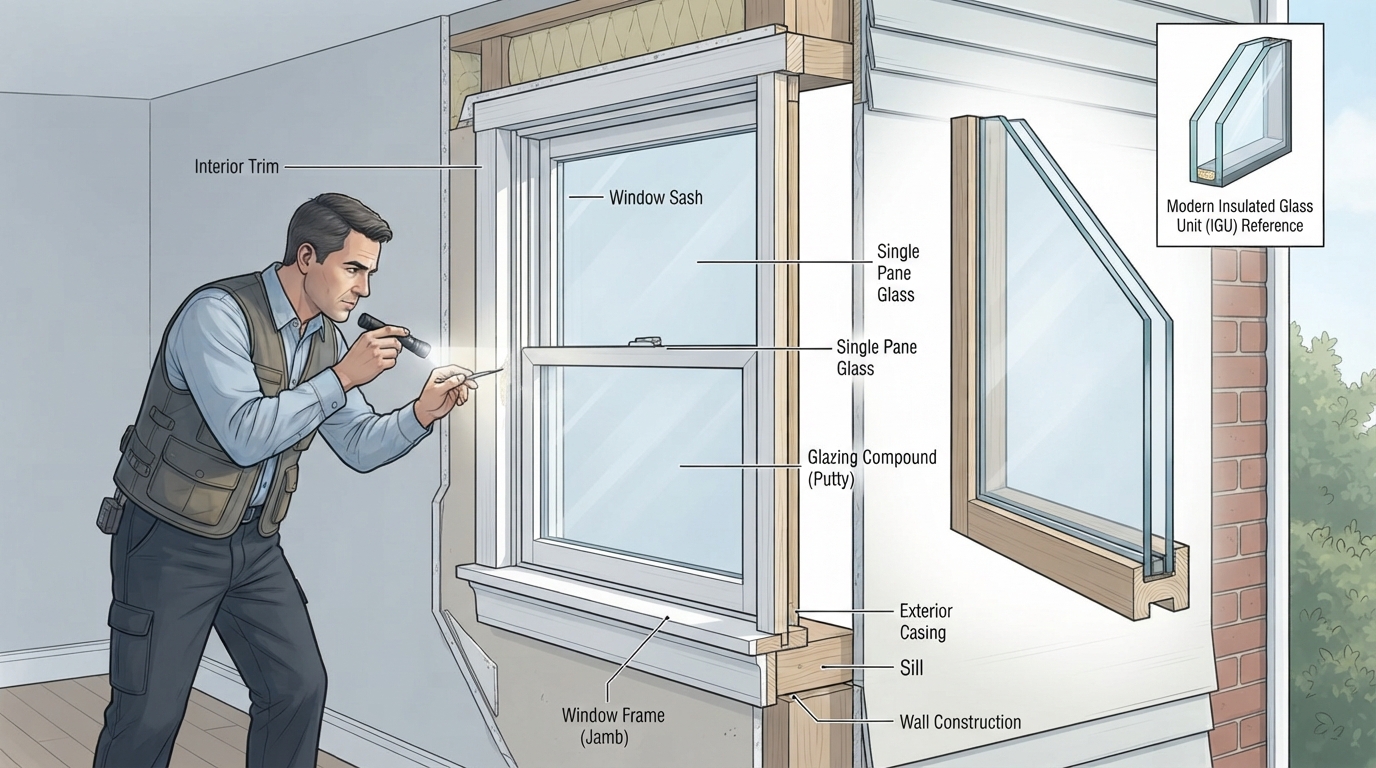
A single-pane window is exactly what the name suggests. One layer of glass, set into a frame. There is no sealed airspace between panes, no insulating gas, no secondary layer of protection. When that single layer of glass breaks, the structural simplicity of the system means there is nothing left between the interior of the property and the outside environment.
That sounds alarming, but it also means the situation is often more straightforward to assess than a modern insulated window. With a single-pane system, a glass professional is evaluating one pane, one frame, and the condition of the sash and surrounding seal. There is no secondary unit to consider.
How Single-Pane Glass Behaves Differently from Modern Insulated Units
In a double-pane insulated glass unit, both panes are factory-sealed together. When one pane cracks, the sealed airspace is compromised, and the energy performance of the entire unit changes immediately. That creates a different repair pathway.
With a single-pane window, the glass itself is the only glazed component. When it breaks, the repair question centers on whether the glass can be replaced while the frame and sash remain intact, or whether the surrounding structure has been affected by the break or by conditions that existed before it.
That distinction matters more than most property owners realize going in.
Why Single-Pane Windows Break and Why the Cause Matters
Not all broken windows tell the same story. A glass professional will want to understand how the break happened, not just because it affects the repair, but because the cause can determine whether replacing the glass alone will be enough.
There are two primary categories of single-pane window breaks.
The first is an impact break. Something struck the glass from the inside or outside. A thrown object, a falling branch, a tool, a ball. Impact breaks typically show a clear point of origin. The break pattern radiates outward from that point. In most cases, the cause is external and isolated to the glass itself.
The second is a stress fracture. This type of break is more telling. Stress fractures originate at the edge of the glass and run in relatively straight lines across the pane. They appear without any obvious external cause. A homeowner might notice the crack appearing on a cold morning or after a sudden temperature shift.
Stress fractures are caused by thermal stress, which happens when glass expands and contracts at a different rate than the frame holding it. They can also be caused by building settlement, frame movement over time, or glass that was installed without adequate clearance. According to the International Association of Certified Home Inspectors, stress cracks are one of the more common indicators of improper installation or frame movement, and simply replacing the glass without identifying the underlying cause often leads to the same problem reappearing.
The cause of the break shapes everything that follows. It affects the scope of the assessment, what the professional looks for in the frame and sash, and whether additional work is needed alongside the glass replacement.
The Risks of Leaving a Broken Single-Pane Window Unaddressed
A broken single-pane window is not a situation that holds steady while you wait. Several things can begin happening within hours of the break, and some of them are significantly more expensive to address than the original glass repair.
Here is a realistic picture of what can develop:
- Crack propagation. A crack that looks stable in the morning can spread significantly by afternoon. Glass responds to temperature changes, vibration from foot traffic, and wind pressure. A crack that covers one corner of the pane can reach the opposite edge by the end of the day.
- Moisture entry. Even a small crack allows moisture to enter the frame cavity and surrounding trim. In wood-framed windows, this is the beginning of a much larger problem.
- Security exposure. A cracked or broken single-pane window is structurally weaker than an intact one. Ground-floor windows with visible damage are a security concern that should not be left unaddressed overnight.
- Energy loss. Single-pane glass already provides limited insulation compared to modern insulated units. A break removes even that limited barrier entirely, affecting interior temperatures and comfort.
- Pest and weather intrusion. An opening in a window frame, even a small one, creates an entry point for insects, moisture-driven drafts, and in some climates, small animals.
For property managers overseeing rental units or commercial spaces, there is also a liability dimension. Tenants living or working near a broken window that has not been secured have a legitimate safety concern. Prompt professional response is not just good practice in that context. It is expected.
When a Glass Problem Becomes a Frame Problem
This is the consequence that catches most property owners off guard.
Single-pane windows, particularly in older properties, are often set in wood frames. Wood is durable when protected, but it is vulnerable to moisture. Once a pane breaks and the seal between the glass and frame is compromised, moisture can reach the wood in a matter of hours in wet conditions.
Soft spots in the wood, discoloration, or visible swelling around the frame are signs that water has already been working its way in. What began as a glass-only situation becomes a frame repair or full window replacement situation, and the timeline for that escalation is shorter than most people expect.
Addressing the glass promptly is the most effective way to prevent that escalation from happening.
Warning Signs That the Damage Is More Than Just the Glass
Before a professional arrives, there are observations any property owner can make safely and from a reasonable distance. These observations are useful not because they allow you to diagnose the problem, but because they help you describe it accurately when you call.
Look for the following:
A crack that starts at the edge of the glass rather than from a visible impact point is worth noting. This pattern suggests a stress fracture rather than a simple impact break, and it tells a professional something important about what may need to be addressed beyond the glass itself.
A frame that feels soft when gently pressed at the corner, shows dark discoloration, or has visible gaps where it meets the wall or sill is showing signs of prior or ongoing moisture exposure. This changes the scope of the repair conversation.
A window that was already difficult to open or close before the break is one where the frame may have been shifting or warping for some time. A glass break in a frame that is already compromised often points toward more extensive work.
Any glass that is bowing outward or inward in the frame, rattling in the opening, or visibly unstable should be left entirely for the professional to handle. Do not attempt to press on or stabilize glass that is moving in the frame.
None of these observations are a diagnosis. They are a description that allows a qualified glazier to arrive better prepared for what they are going to find.
What a Glass Professional Actually Evaluates
This is the section most property owners find genuinely surprising, because the professional visit involves considerably more than measuring the glass.
A thorough assessment by a qualified glazier covers the following:
The glass itself. The type of glass, the dimensions, the break pattern, and whether the break pattern tells a story about the cause. Not all single-pane glass is the same. Older properties may have glass with different thickness or composition than what is standard today.
The window frame. The material of the frame, whether it is wood, vinyl, or aluminum, and its current condition. The professional is looking for softness, rot, warping, visible moisture damage, and whether the frame is structurally sound enough to hold new glass without problems.
The window sash. The sash is the part of the window that holds the glass and, in operable windows, moves when you open or close it. A damaged or warped sash affects how new glass sits and seals in the opening.
The surrounding seal, caulking, and weatherstripping. These components are what prevent moisture and air from entering around the glass. A break often reveals that the surrounding seal was already compromised before the glass failed.
The cause of the break. As discussed earlier, understanding whether this was an impact or a stress fracture changes what the professional looks for and recommends.
Whether glass-only replacement is appropriate or whether broader work is warranted. This is the determination the entire assessment leads to.
Hansen Glass conducts thorough on-site assessments that go beyond simply measuring the broken pane. The evaluation looks at the full window system, including frame condition, sash integrity, and the nature of the break, so property owners receive an accurate picture of what the repair actually requires before any work begins.
The National Glass Association identifies proper window assessment as a core component of professional glass service, noting that glass replacement without evaluation of surrounding conditions is one of the most common sources of recurring window problems.
Glass-Only Replacement vs. Full Window Replacement: How That Decision Gets Made
This is often the question property owners most want answered before they call. And the honest answer is that it depends on what the assessment finds.
| Condition Found During Assessment | Likely Repair Path |
| Frame is structurally sound, no moisture damage, sash intact | Glass-only replacement |
| Minor weatherstripping or caulking deterioration only | Glass-only replacement with seal service |
| Frame shows soft spots, rot, or moisture damage | Frame repair or full window replacement |
| Sash is warped, cracked, or no longer functional | Sash replacement or full window replacement |
| Stress fracture with evidence of frame movement or settlement | Glass replacement plus investigation of underlying cause |
| Repeated breaks in same window over short period | Full assessment of frame, installation, and building movement |
When the frame is sound and the damage is isolated to the glass, glass-only replacement is the right outcome and a straightforward one for an experienced glazier. The old glass is removed, the frame is cleaned and inspected, and a new pane is cut and installed with appropriate glazing compound and seal.
When the frame has been compromised, whether by moisture, age, or structural movement, replacing only the glass without addressing the frame is an incomplete repair. The new glass will be sitting in an unstable or deteriorating structure, and the same problem is likely to return.
This is why the assessment matters more than the repair itself. The assessment determines whether the less extensive option is actually the right one, or whether proceeding with glass-only replacement would leave the property owner with the same call to make six months from now.
Hansen Glass helps property owners understand exactly which situation they are facing, without steering the decision toward more work than is genuinely needed or less than what the window actually requires.
What to Have Ready Before You Call a Glass Professional
Calling a glass professional without any information is perfectly fine. They will ask the right questions. But property owners who arrive at that first call with even basic information tend to get more accurate assessments and more productive first visits.
Here is what is useful to have ready:
- The approximate size of the window. You do not need precision measurements. A rough sense of height and width is enough to help the professional understand the scope before they arrive.
- Where the window is located. Ground floor or upper floor. Interior room or exterior-facing commercial entrance. Whether it is in a residential unit, a rental property, or a commercial space.
- A description of the break. Is it a single crack? A full shatter? Does the crack begin at the edge of the glass or from a visible impact point in the middle? Is the glass still mostly in place or has it fallen out entirely?
- What you observe about the frame. Any visible softness, discoloration, gaps, or signs of prior moisture. You are not diagnosing anything. You are describing what you see.
- How the break happened, if you know. An impact from a known object, a crack that appeared without obvious cause, storm damage, or a break-in.
- Photos if you can take them safely. Photos taken from a safe distance, without getting close to unstable glass, are genuinely helpful. They allow the professional to see the break pattern and frame condition before arriving, which can mean coming prepared with the right materials.
- The property type. Whether it is owner-occupied residential, a rental unit, or a commercial property affects the urgency and scope conversation.
If you do not have all of this, that is fine. Hansen Glass welcomes calls from property owners who are still figuring out what they are dealing with. The assessment process is designed to work through those details professionally and accurately, without putting the burden on the caller to diagnose their own window.
A Property Owner’s Perspective: Why Acting Promptly Makes a Difference
There is a tendency, particularly with cracks that have not yet caused the glass to fall completely, to treat the situation as something that can wait for a convenient moment. A week becomes two weeks. The temporary covering becomes the new normal.
The problem with that approach is that single-pane windows, especially in older properties, are not forgiving of extended exposure. The frame, the sill, and the surrounding trim are absorbing whatever the weather delivers in the meantime. A straightforward glass replacement that could have been completed quickly becomes a more involved project because the delay allowed conditions to progress.
Acting within 24 to 48 hours of a break is not overcautious. It is the decision that keeps the scope of the repair where it belongs, which is on the glass.
Conclusion
A broken single-pane window is one of those situations where the visible problem is usually the simplest part of it. The glass is broken. That is clear. What is less clear, until a professional looks at it, is what the surrounding frame and sash condition looks like, what caused the break, and whether glass-only replacement is the complete answer or just the beginning of a more complete repair.
Property owners who understand this going in are better positioned to have useful conversations with glaziers, make confident decisions about the scope of work, and avoid the more expensive outcomes that come from either waiting too long or proceeding with incomplete information.
The right move after a single-pane window breaks is to get a professional assessment promptly. Not because the situation is necessarily complex, but because the assessment is what tells you whether it is simple or not.
If you are dealing with a broken single-pane window and want a clear, honest assessment of what the repair actually requires, Hansen Glass is ready to help.
Frequently Asked Questions
Can the glass in a single-pane window be replaced without replacing the entire window?
Yes, in many cases it can. When the frame and sash are structurally sound, free of moisture damage, and still holding their shape properly, a qualified glazier can replace just the glass while leaving the existing frame in place. A professional assessment confirms whether the frame is suitable for that approach before any work begins.
How do I know if my window broke from impact or from a stress fracture?
Impact breaks typically show a visible point of origin, often a starburst or circular break pattern where the object struck the glass. Stress fractures start at the edge of the glass and run across the pane in relatively straight lines, often without any obvious external cause. The distinction matters because a stress fracture may point to an underlying condition in the frame or installation that needs to be addressed alongside the glass replacement.
How long can I safely leave a broken single-pane window before calling a professional?
Any break that leaves the window opening exposed should be professionally assessed within 24 to 48 hours. Even a crack that appears stable can spread quickly in response to temperature changes, wind pressure, or vibration. In wood-framed windows, moisture can begin affecting the frame within hours of the break in wet conditions.
What makes single-pane windows in older properties more vulnerable to frame damage after a break?
Older single-pane windows are frequently set in wood frames that lack the moisture barriers built into modern window systems. Once the glass is compromised, there is little between the wood and whatever weather the opening is exposed to. Wood rot can develop faster than most property owners expect, and what begins as a glass-only situation can escalate into a frame repair or full window replacement if the exposure continues for too long.
What should I tell a glass professional when I call about a broken single-pane window?
Describe the window’s approximate size, its location on the property, and what the break looks like, including whether the crack starts at the edge or from a visible impact point. Share any observations about the frame condition, such as softness, discoloration, or gaps. Mention whether the property is residential, rental, or commercial, and how the break occurred if you know. Photos taken safely from a distance are also helpful. If you are not sure about any of these details, that is fine. A professional will guide you through the rest.